

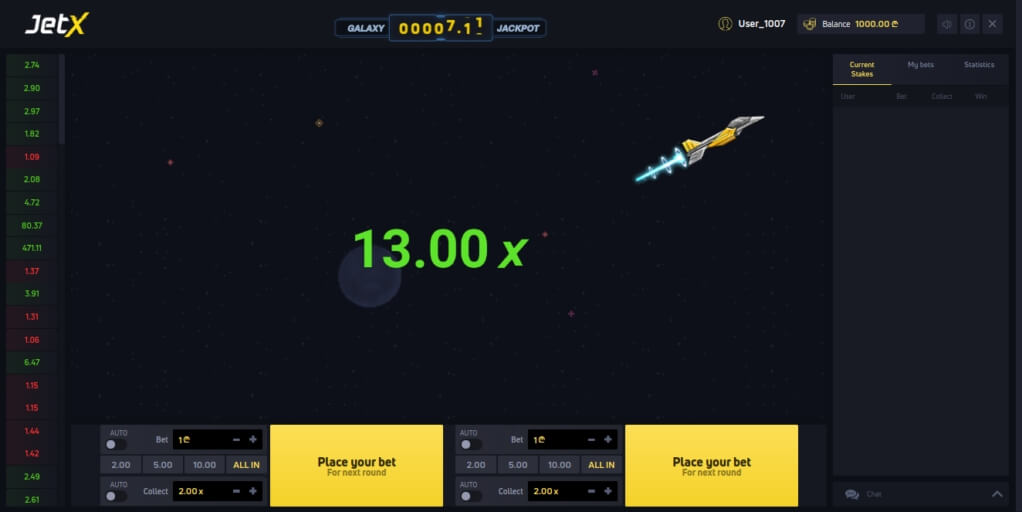
JetX has grown into a popular crash-style game for UK players, combining tension with a hint of strategy. But behind the climbing multipliers, many players tell the same story of simple, expensive errors. Browsing player forums and discussions highlights a distinct set of missteps that turn a fun session into a frustrating one. Heeding these errors isn’t about guilt; it’s a direct way for anyone to better their play. Here are the most recurring and costly mistakes players have confessed, so you can turn their regrets into smarter choices.
Running after Losses Lacking a Defined Stop-Loss Strategy
The number one mistake JetX players acknowledge is chasing losses. The game’s quick tempo and the impression of a rapid comeback form a strong lure. Someone sees their balance drop after an early crash, and their next instinct is to bet more, attempting to win it all back at once. This impulsive move often throws out any sound plan they started with, draining their funds fast. In the UK, where staying in control is a foundation of safe gambling, this action breaks that rule completely. The problem originates with not having a stop-loss limit—a predetermined amount you’re ready to lose in a day or session. Players acknowledge that without this line in the sand, a small loss can snowball, removing all the fun from the game and leaving a much larger financial hole.
Misunderstanding the Purpose of RNG and “Expected” Multipliers
Many players fall victim to a fundamental error: failing to grasp how the game’s Random Number Generator works. Confessions commonly describe having faith in “hot” streaks or assuming a big win is “due” after a sequence of small crashes. This is the gambler’s fallacy in action. Every JetX round is a separate event. The RNG keeps the crash point entirely random and unforeseeable. Betting because you think past results impact the future is a method founded on a statistical error. UK players should know that licensed operators use certified RNGs. This ensures fairness, but it also implies there are no patterns to spot. Betting big because you believe you’ve identified a cycle often leads to you putting your riskiest bets at the most unfavorable possible time.
Excessive Dependence on Risky Betting Systems
Expecting a guaranteed edge, some players adopt complex betting systems like the Martingale, where you double your bet after every loss. On paper, it promises recovery. In a game like JetX, it’s a trap. The rounds come quickly, and a string of low multipliers can force your bet size to balloon. You can hit your own budget cap or the game’s table limit much faster than you imagined. UK players tell stories of watching their balance disappear not from one bad call, but from the mechanical, unstoppable climb of a system they didn’t truly understand. Relying on a rigid strategy shuts down your own judgement, often leading to losses far greater than a more thoughtful, flexible approach would cause.
Overlooking Fund Management Fundamentals
Together with various faults constitutes the widespread confession of poor stake control. This extends beyond having a budget. That’s concerning how you handle that money as you play. Gamblers commonly acknowledge:
- Wagering a massive chunk of the money on a solitary round, leaving no buffer for later.
- Mixing the boundary between betting money and money for bills, which generates serious financial pressure.
- Not ever defining a goal for winnings, so they continue playing until every penny won is given back to the game.
- Adding more funds after they’ve already reached a loss threshold they established, rendering their own rules useless.
Good bankroll management is the basis of sensible play. It manages your stakes, decides how long you play, and shields you from the wild swings of crash gambling games. Omitting this essential step causes every other mistake more harmful, converting a bit of fun into a serious financial problem.
Playing While Impaired
A candid thread running through player stories is gaming Jetx Game when they weren’t in a good headspace. This means using after consuming alcohol, when exhausted, or when experiencing under pressure, angry, or hyped up from a win. When your judgement is compromised, you’re more prone to ditch your approach, overbet, and try to recover losses quickly. For UK players, where looking after yourself is a major part of the message, understanding your own state of mind is essential. Many acknowledge their most significant losing sessions occurred late at night or when they were using the game to cope with a bad day, not to have fun. The solution is apparent but often overlooked: if you’re not thinking clearly, shut down the game and come back later.
Ignoring On-Hand Responsible Gaming Resources
Regulated UK operators running JetX need to supply responsible gambling features. These encompass deposit limits, session reminders, time-outs, and self-exclusion. A notable number of player confessions indicate these tools went unused, or employed only after heavy losses had already piled up. The misstep is seeing these features as a punishment, not as a helpful way to keep command. Configuring a daily deposit limit, for example, effectively prevents a loss-chasing spiral. Letting reality-check pop-ups break into the game can pull you from a trance. By not using these tools from the start, players fail to access a key layer of protection that was built specifically for them.
Conflating Entertainment with a Viable Income Source
Perhaps the most critical mindset error players confess is beginning to see JetX as a way to earn money, not as a form of entertainment. This shift changes everything. Bets get bigger, the emotional pressure increases, and losses feel like professional failure instead of the price of a night out. In the UK, where the slogan “when the fun stops, stop” is everywhere, this confusion is particularly risky. Players acknowledge that once they started pondering about potential hourly “wages,” they took risks that no leisure activity justifies. It’s crucial to remember that money staked on JetX is like the cost of a cinema ticket—it’s the price of admission. The reward should be the thrill of the game, not a payout. Many only grasp this after losing money they couldn’t afford to lose.
Failing to Study and Study Game History
While past outcomes don’t predict the future, a separate mistake is overlooking game history entirely. Smart players utilize the history tool not to find patterns, but to understand the game’s rhythm. They test ideas without playing with real money. Many stories show players diving straight into real-money action without ever observing a few rounds. Had they spent a few minutes watching, they would have noticed how often the jet ends prematurely, or how infrequent those monster multipliers actually are. That knowledge leads to more realistic betting. Just clicking ‘bet’ without any interest leaves you subject to the game’s variability, with no approach to manage it.
In what ways UK Players Can Advance In a Practical Way
Recognizing these frequent errors is the crucial first step. What follows is forming better habits. We recommend setting strict rules before you log in: a loss limit, a win goal, and a time limit. View your bankroll as the price of a ticket for a session, not as an investment. Employ the responsible gambling tools your UK operator offers right now, not later when things go wrong. Most importantly, make a conscious choice to see your play as a leisure activity you pay for. You are buying excitement, not trying to earn a salary. By heeding the mistakes others have honestly shared, you can avoid the same painful lessons and keep your JetX experience fun, controlled, and well within the bounds of sensible play.