

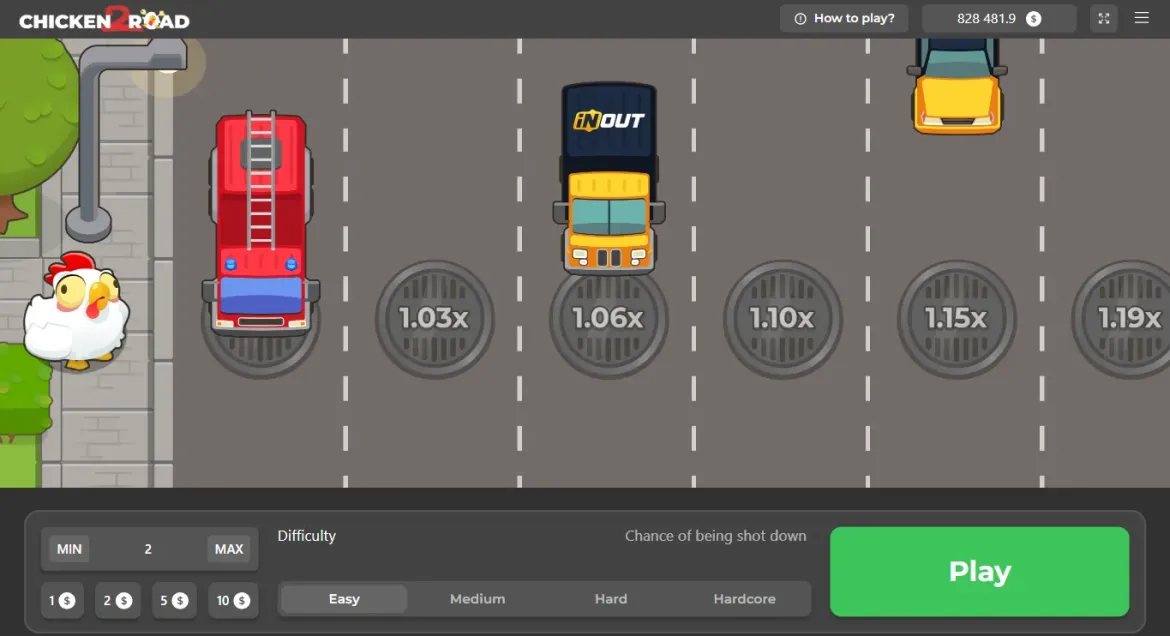
The Learning Break Prize Poultry Path Frost Activity presents a distinctive approach for UK learners to incorporate restorative breaks into their learning routines. By promoting collaboration and tactical thought, Chicken Road Ice Game, it blends relaxation with friendly competition. As learners engage themselves in this interactive experience, they not only refresh their brains but also build a feeling of community. Grasping how to effectively participate in and gain the advantages could revolutionize the way they approach academic obstacles.
What Is the Study Pause Reward Chicken Road Frost Game?

The Study Break Reward Chicken Path Frost Activity is an engaging way for students to unwind while boosting their concentration and motivation. This game combines fun elements to develop a groundbreaking break activity, encouraging players to step away from their scholastic stresses. It stimulates mental skills by combining strategy and creativity, ensuring students remain mentally alert while enjoying a period of fun. Designed especially for students, this activity serves as both a mental refresh and a reward system, motivating them to manage their study time more effectively. By incorporating teamwork and amiable contest, it fosters a sense of camaraderie among colleagues, making study breaks not just a pause but an chance for communal engagement and group development.
How to Participate in the Game
Playing the Learning Pause Reward Chicken Road Frost Game requires a mix of tactics, ingenuity, and a bit of friendly competition. To excel, participants should follow these steps:
- Gather your materials
- Establish the stage
- Create teams
Benefits of Taking Study Breaks
Although studying can be demanding and challenging, taking frequent breaks can greatly improve concentration and retention. Research indicates that periodic breaks help prevent cognitive overload, allowing the brain to recharge. This practice enhances focus, as students return to their tasks feeling rejuvenated and more attentive. Breaks also support better memory consolidation; stepping away gives the brain time to process information. In addition, including physical activity during study breaks aids in lowering stress and improving mood, further increasing overall productivity. By establishing a balanced study schedule that includes planned breaks, students not only optimize their performance but also develop better studying habits that serve them well beyond their academic endeavors. Emphasizing breaks ultimately results in more effective and lasting learning experiences.
Incorporating Rewards Into Your Study Routine
Integrating rewards into a study routine can greatly improve motivation and productivity. By gamifying study sessions and celebrating small achievements, learners create a more engaging environment that encourages progress. These strategies make studying not just a task, but an pleasurable challenge.
Gamify Study Sessions
To enhance focus and motivation during study sessions, many students are adopting gamification as an effective strategy. By incorporating game elements into their study routines, they transform tedious tasks into fun and gratifying experiences. Here’s how they gamify their sessions:
- Point Systems
These methods not only boost engagement but also create a structured environment that aligns with a student’s quest for mastery.
Celebrate Small Achievements
Celebrating small achievements can greatly enhance a student’s incentive and study productivity. By incorporating instant rewards into their study routine, students can create a constructive feedback loop that supports their efforts. For instance, after completing a difficult chapter or mastering a certain concept, they might reward themselves to a brief break, a favorite snack, or a brief game. This approach not only eases fatigue but also nurtures a sense of development and accomplishment. Furthermore, tracking these achievements can provide confirmation of their hard work, boosting overall satisfaction. Ultimately, recognizing and rewarding small victories fosters a more efficient study environment, encouraging students to push through challenges and achieve their academic goals with reinvigorated enthusiasm.
Tips for Effective Study Breaks
While many students grasp the importance of regular study breaks, knowing how to make those breaks beneficial can greatly improve concentration and retention. Here are some tips to contemplate:
- Engage in physical activity
- Stay hydrated
Implementing these strategies can convert academic pauses into potent instruments for improved education.
Testimonials From UK Scholars
Many UK students have expressed their stories about how academic pauses boost their education and efficiency. For instance, Emily, a third-year level life sciences scholar, observed that including short breaks revitalized her concentration during extended study periods. Similarly, Raj, an engineering studies scholar, mentioned using the Chicken Road Ice Activity as a fun break that effectively restored his concentration. A number of scholars reported being more motivated and invigorated after these breaks, enabling them to address demanding materials with refreshed energy. Jason, a writing student, expressed that these periods of rest fostered imagination, enriching his output. Overall, feedback highlight that intentional rests, paired with engaging tasks like the Chicken Road Ice Activity, not only ease fatigue but also considerably improve academic performance.
Summary
The Study Break Ice Game gives UK students a distinctive way to rejuvenate their mental state during study sessions. By mixing strategy, teamwork, and a dash of friendly rivalry, it not only rejuvenates concentration but also fortifies social bonds among colleagues. Including such participatory pauses into study schedules can significantly boost total output and health. Welcoming playful yet intentional breaks, learners can enrich their learning journey while building enduring bonds with peers.